

Navigating the Online World Securely
The internet offers unparalleled convenience, but it also comes with risks. Cybercriminals are becoming more sophisticated, making online safety a priority for everyone. This ultimate guide covers key steps to protect yourself and your data online.
1. Strengthen Your Passwords
Use strong, unique passwords for every account, combining letters, numbers, and symbols. A password manager like LastPass or Dashlane can help generate and store complex passwords securely, eliminating the need to remember them all.
2. Be Mindful of Public Wi-Fi
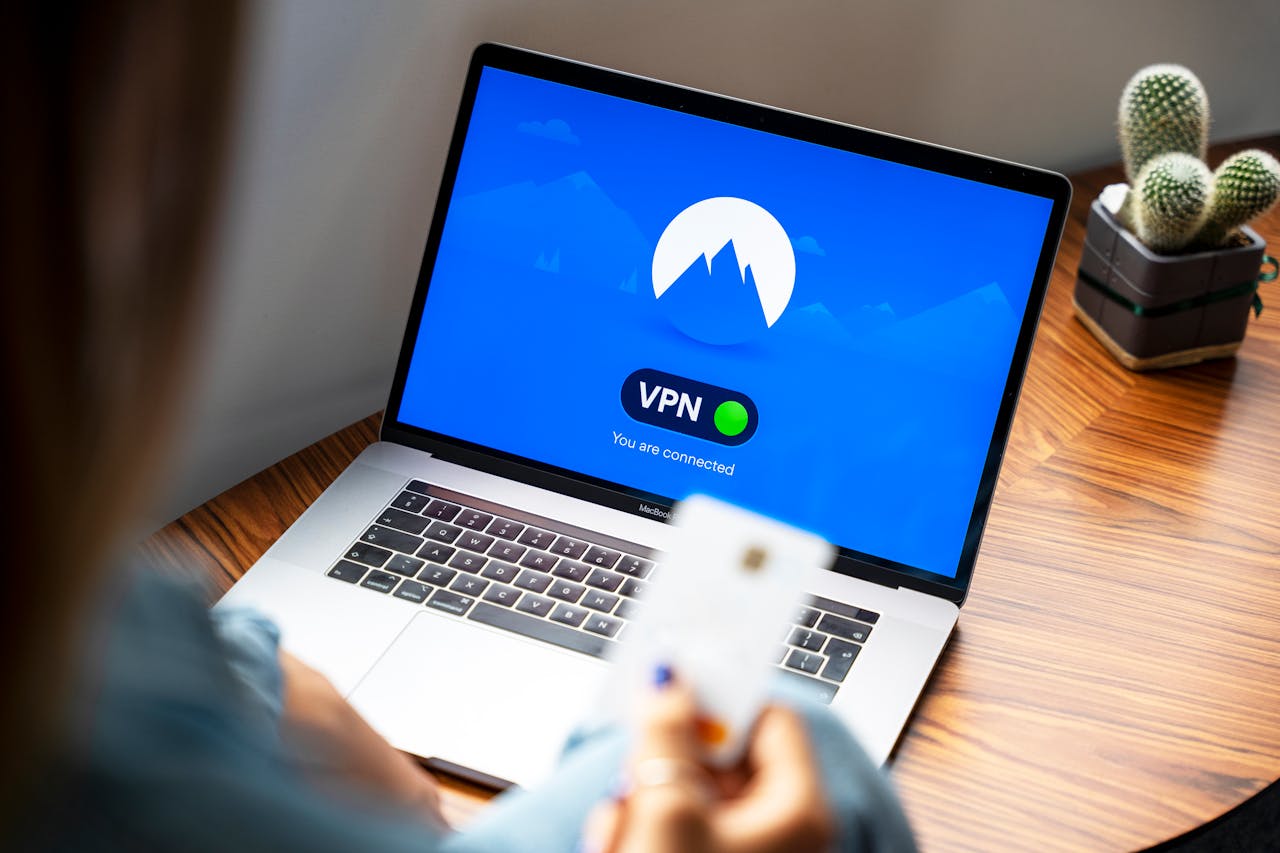
Public Wi-Fi networks are often unsecured, making them a hotspot for hackers. Avoid accessing sensitive information on these networks or use a VPN to encrypt your connection when browsing in public.
3. Monitor Your Accounts Regularly
Keep an eye on your financial and online accounts for suspicious activity. Enable notifications for transactions and logins to detect unauthorized access early. Reporting unusual behavior quickly minimizes potential damage.
4. Educate Yourself on Phishing Scams
Phishing scams are increasingly sophisticated, often mimicking trusted organizations. Learn to recognize the signs of phishing emails or messages, such as typos, urgent requests, or unfamiliar sender addresses.
Conclusion: Take Control of Your Online Security
Online safety requires a proactive approach. By implementing these strategies and staying informed about evolving threats, you can confidently navigate the internet while keeping your data secure.
